
Why Do We Say "Sleep Tight"?

Written by
Ani
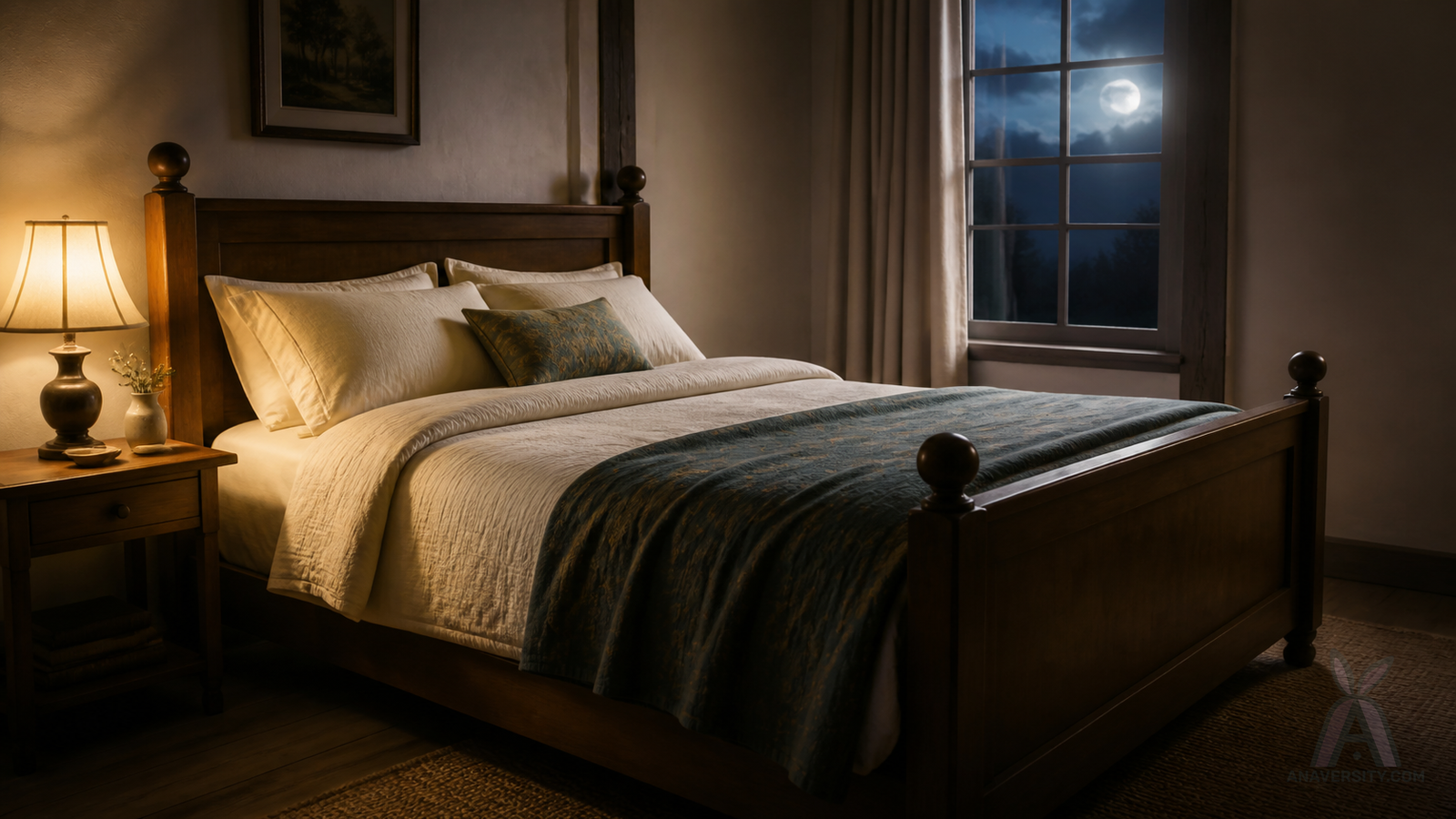
It means sleep soundly, but the familiar tale about tightening ropes under an old mattress lacks historical support.
People say sleep tight as a warm wish for secure, restful sleep. Its exact origin is uncertain, and the rope-bed explanation is popular folklore rather than demonstrated history.
Tight once did more work than it does now
Modern learners usually meet tight as the opposite of loose. Older and extended uses also suggest firmness, security, closeness, or soundness. We still say sit tight, hold tight, and shut tight. In sleep tight, the word works adverbially: sleep in a secure, settled, sound way.
Rope beds make an irresistible museum story
Some older beds supported bedding on ropes that could sag and require tightening. That real household practice creates a perfect-looking explanation: tighten the ropes, then sleep tight. Historic-house tours and internet lists have repeated it so often that many readers assume a documented connection must exist.
The dates leave the ropes unproven
Dictionary research places the familiar expression relatively late, in the nineteenth century, although rope-supported beds existed much earlier. Surviving examples do not point clearly to bed maintenance. A real object plus a matching word is not enough to establish an origin, especially when centuries separate the practice from the recorded phrase.
Bedbugs joined because the sounds behaved
The longer bedtime line sleep tight, don't let the bedbugs bite is memorable because tight and bite rhyme. Bedbugs were also a genuine domestic nuisance, but the rhyme does not prove that both ideas began together. Children's sayings often gather extra lines after a shorter expression is already familiar.
The uncertainty does not weaken the wish
Use sleep tight as an affectionate, slightly playful alternative to sleep well. The safest history is also the cleanest: the phrase wishes someone secure rest; tight had suitable meanings; and the exact spark is unknown. The rope bed can stay in the museum without being forced to carry the etymology.
Tight still carries security elsewhere
The same older sense remains audible in phrases such as hold tight, sit tight, and shut tight. Each suggests firmness or security rather than narrow clothing. Seeing that living family makes the bedtime wish less mysterious and gives learners a stronger memory than a picturesque story the documentary record cannot support.
Keep going
Turn this story into practicePost your own sentence with a phrase from the story, ask what sounds natural, or share what surprised you.Post in Campus FeedRelated stories

Phrase Origin
Why do we say "under the weather"?
A gentle phrase for feeling unwell, often explained through the rough motion and bad conditions of life at sea. The phrase feels soft today, but the image behind it...
Read story
Phrase Origin
Why do we say "the eleventh hour"?
A phrase for the last possible moment before time runs out. The eleventh hour is late in the process, not necessarily late at night.
Read storyOpen the dictionary entry for definitions, examples, and learner-friendly usage notes.
Look up sleepComments
Join the conversation
Logged-in learners can comment on stories, explainers, and reply to others.
No comments yet. Be the first to start the discussion!