
Why Do We Say "Rub Someone the Wrong Way"?

Written by
Ani
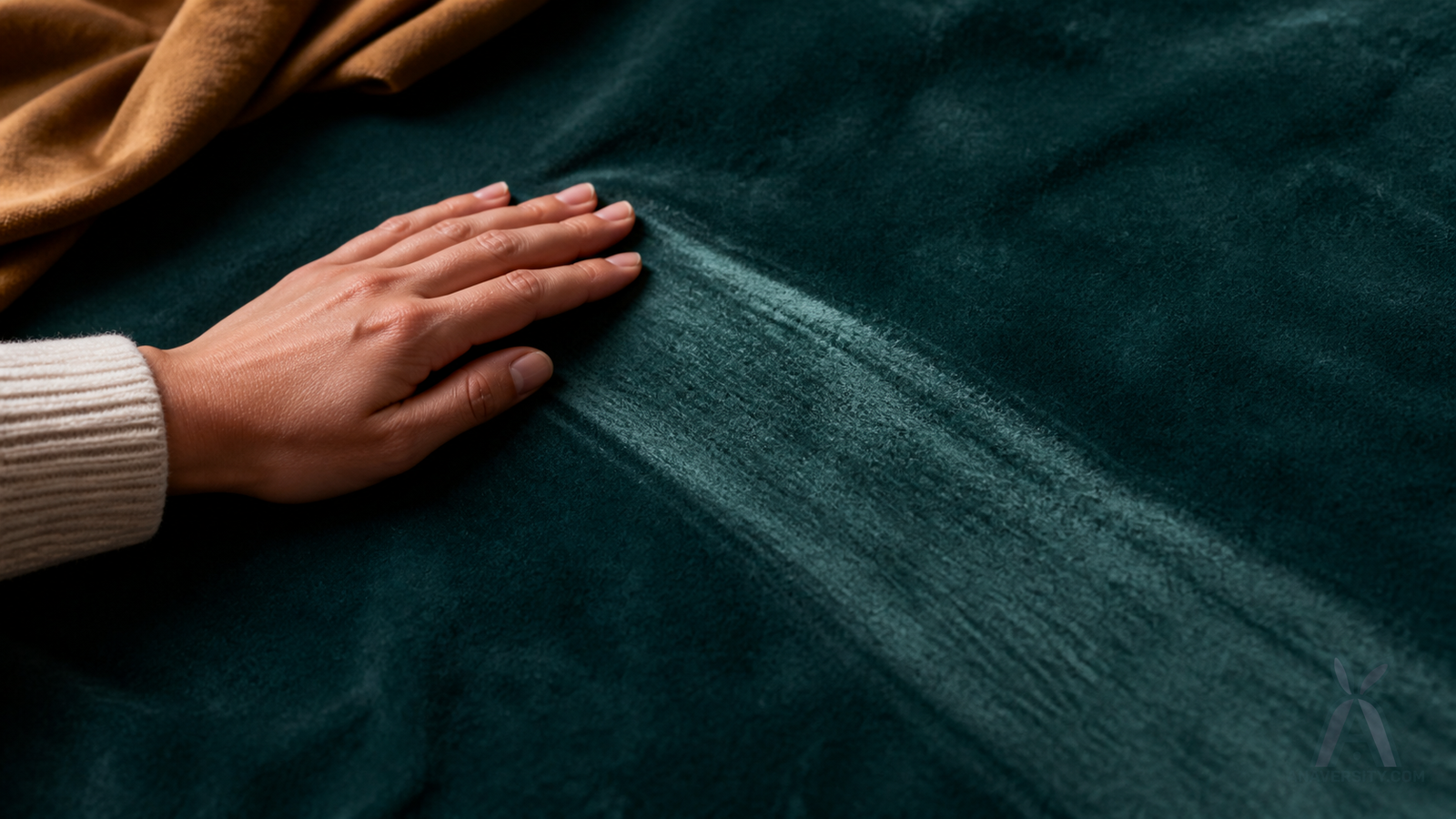
The phrase turns irritation into a physical sensation, like stroking fur or fabric against its natural direction.
The idiom compares social irritation to the unpleasant roughness created when fur or fabric is stroked against the way it naturally lies.
The irritation can be surprisingly small
Someone may rub you the wrong way without committing a serious offence. Their interruptions, confidence, jokes, or tone simply create friction. That makes the idiom useful when dislike is real but difficult to explain. The problem may lie in the interaction between two people rather than in one clearly unacceptable act.
Fur and fabric both supply the sensation
Stroke a cat against the direction of its fur, or brush a fabric against its nap, and the surface lifts or resists. Nineteenth-century writers used this physical mismatch as a metaphor for offended feelings. Historical examples mention coats, hedgehogs, and the nap of a person's feelings, so no single animal needs to own the expression.
The wording was figurative early on
Recorded examples from the first half of the nineteenth century already play with people and opinions being rubbed the wrong way. The expression became fixed around the middle of that century. It did not need an elaborate incident or famous quotation; the ordinary sensory comparison was vivid enough to travel on its own.
Rub is gentler than attack but still active
The verb rub suggests repeated contact. One comment may annoy you, but a habit repeatedly rubs you the wrong way. The phrase often describes an instinctive reaction: I know he means well, but his tone rubs me the wrong way. It can criticize behaviour while leaving room for uncertainty about intent.
Use the object after rub
The common pattern is rub + person + the wrong way: That remark rubbed her the wrong way. You can also say He rubs people the wrong way. Avoid using it as a general synonym for anger. The expression fits friction caused by someone's style, manner, or repeated contact especially well. It often suggests a reaction that builds through several small encounters rather than one dramatic quarrel.
Keep going
Turn this story into practicePost your own sentence with a phrase from the story, ask what sounds natural, or share what surprised you.Post in Campus FeedRelated stories
Phrase Origin
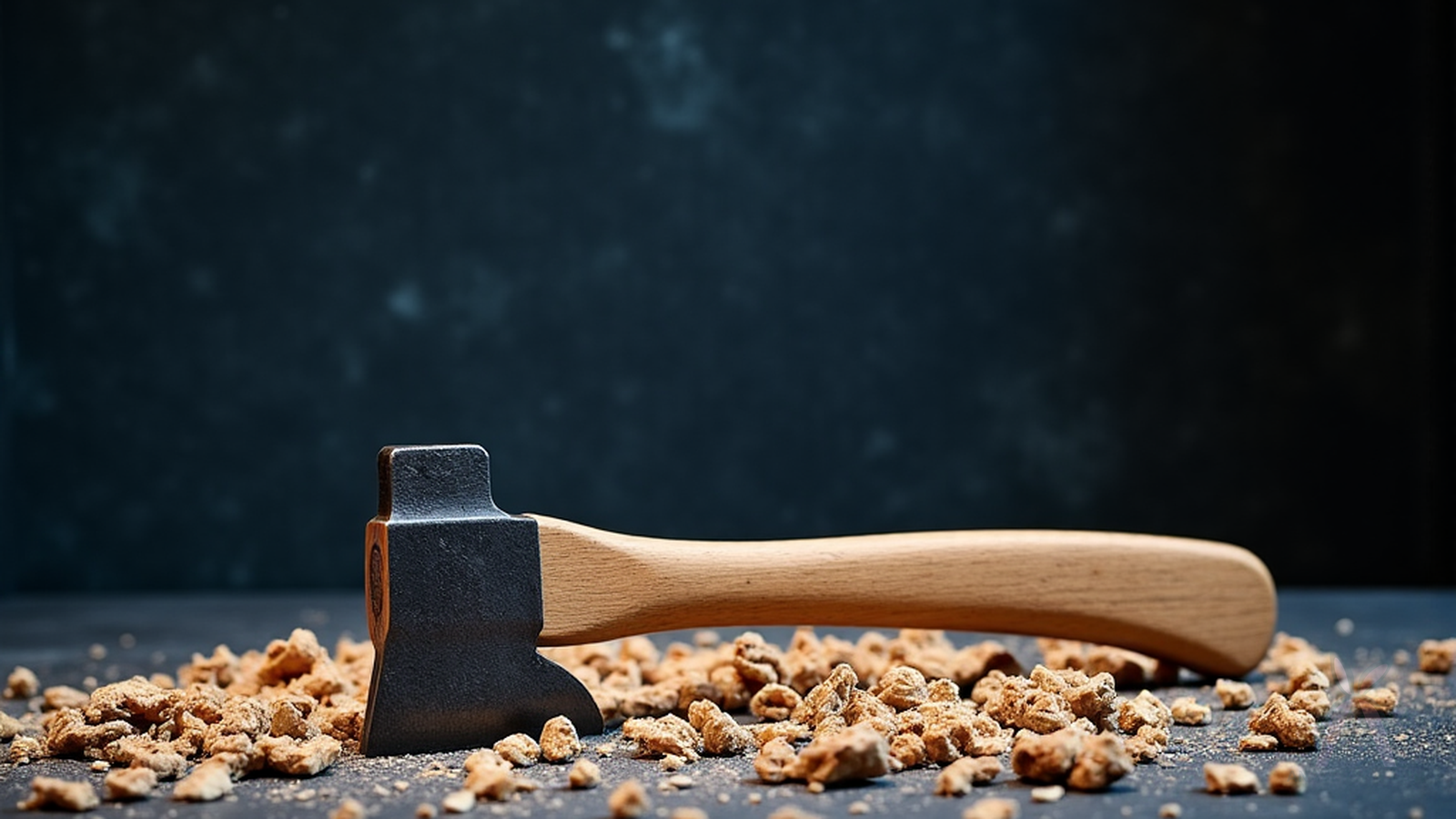
Why do we say "fly off the handle"?
A phrase for sudden anger that comes from a real tool failure: the head leaving the handle mid-swing. The idiom works because anger is imagined as something...
Read story
Language Story
Why do we say "give someone the cold shoulder"?
A compact, readable answer to a language question people actually ask.
Read storyOpen the dictionary entry for definitions, examples, and learner-friendly usage notes.
Look up rubComments
Join the conversation
Logged-in learners can comment on stories, explainers, and reply to others.
No comments yet. Be the first to start the discussion!