
Why Do We Say "Hold Your Horses"?

Written by
Ana
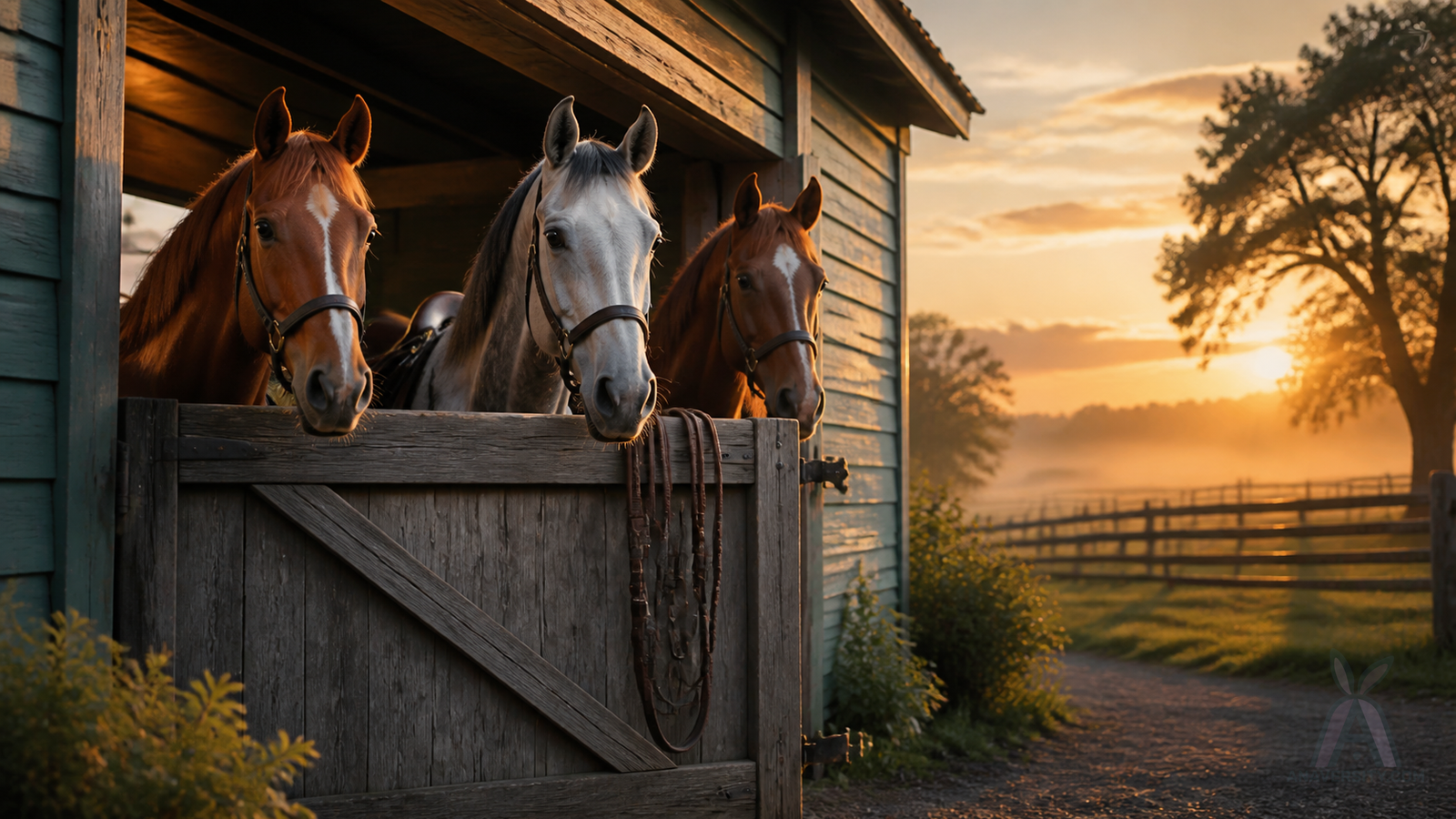
Before a rider or driver could move safely, excited horses sometimes had to be checked, steadied, and kept in place.
The idiom asks a person to pause just as a driver or rider would keep eager horses from starting before it was safe or time to go.
A team could move before the driver was ready
In horse-powered transport, movement depended on animals with their own energy and reactions. A driver might need to keep the reins firm while passengers climbed aboard, a gate opened, traffic cleared, or another instruction arrived. Holding the horses was practical control, not a decorative western scene.
American print kept the spoken hoss
The figurative command appears in nineteenth-century American writing, often as hold your hosses. Hoss represented a familiar regional pronunciation of horse. The spelling helped writers capture an informal voice, and the repeated h sounds gave the warning enough bounce to remain memorable after horses disappeared from ordinary streets.
The command moved from reins to impatience
Once the literal instruction was familiar, it could address any person moving too quickly. Someone reaches for a conclusion, spends money before checking the price, or begins a job without hearing the full plan. The horses are now excitement, certainty, or momentum that needs a short pull on the reins.
Tone decides whether it feels friendly
Hold your horses! can sound playful among friends and sharp from a stranger or manager. It directly tells another person to slow down, so intonation matters. In a formal situation, Let us pause for a moment or Before we continue, we should check the details usually carries less risk.
Use it before the rush, not after the crash
The idiom belongs at the moment someone is about to act, speak, or decide too quickly: Hold your horses; we have not seen the final numbers. It is less natural as a description of a completed mistake. The reins matter because there is still time to stop the team, hear the missing instruction, compare the available choices, check who is ready, and choose a safer direction together.
Keep going
Turn this story into practicePost your own sentence with a phrase from the story, ask what sounds natural, or share what surprised you.Post in Campus FeedRelated stories
Phrase Origin
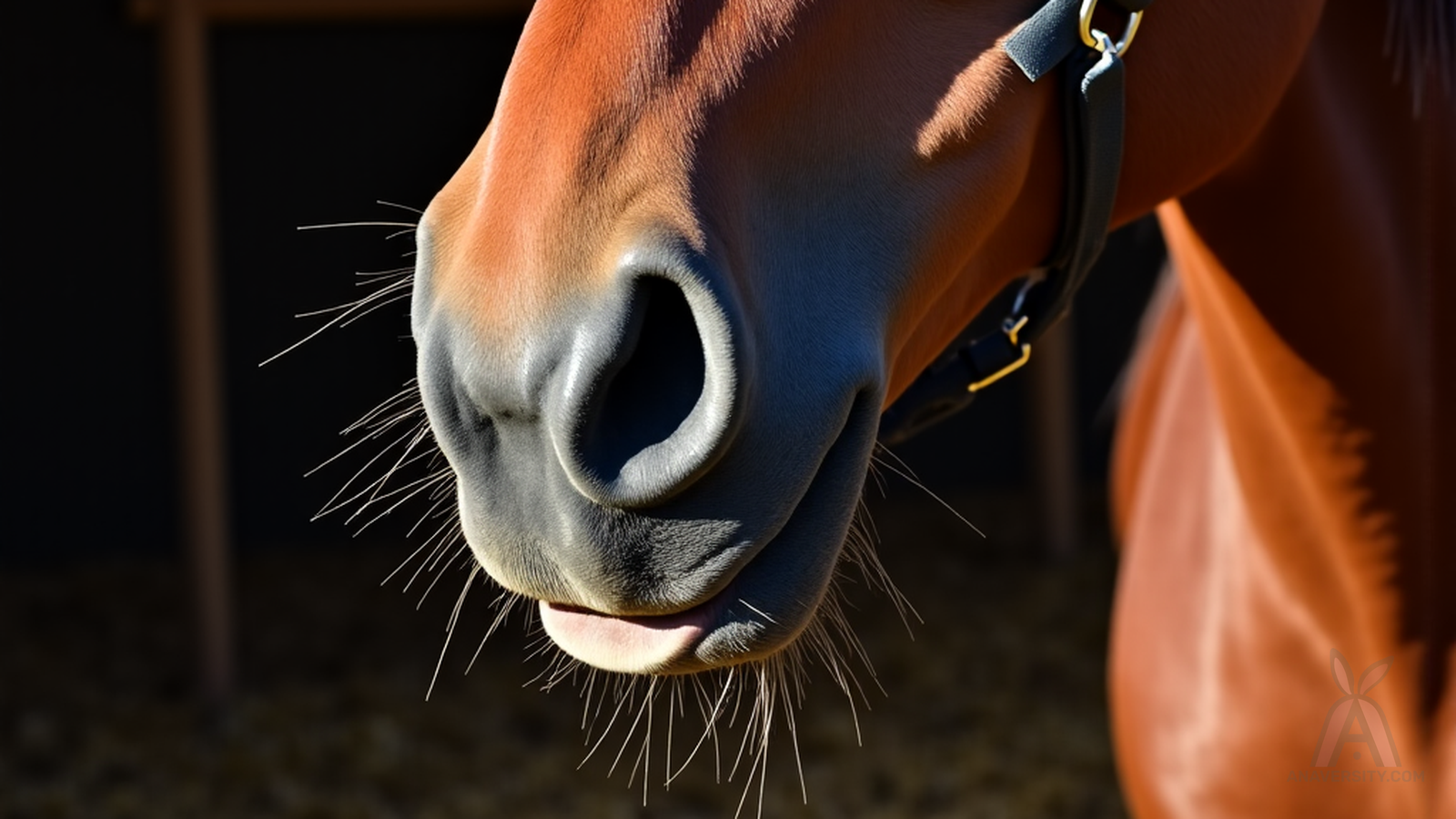
Why do we say "straight from the horse's mouth"?
A phrase for reliable information that started with people checking a horse for themselves. The expression is about direct evidence: do not trust the sales pitch if...
Read story
Phrase Origin
Why do we say "hit the ground running"?
A phrase for starting fast, prepared, and already moving. The image feels like a runner, a soldier, and a new employee all at once: no slow warm-up, just motion.
Read storyOpen the dictionary entry for definitions, examples, and learner-friendly usage notes.
Look up holdComments
Join the conversation
Logged-in learners can comment on stories, explainers, and reply to others.
No comments yet. Be the first to start the discussion!