
Why Do We Say "Bite Off More Than You Can Chew"?

Written by
Ana
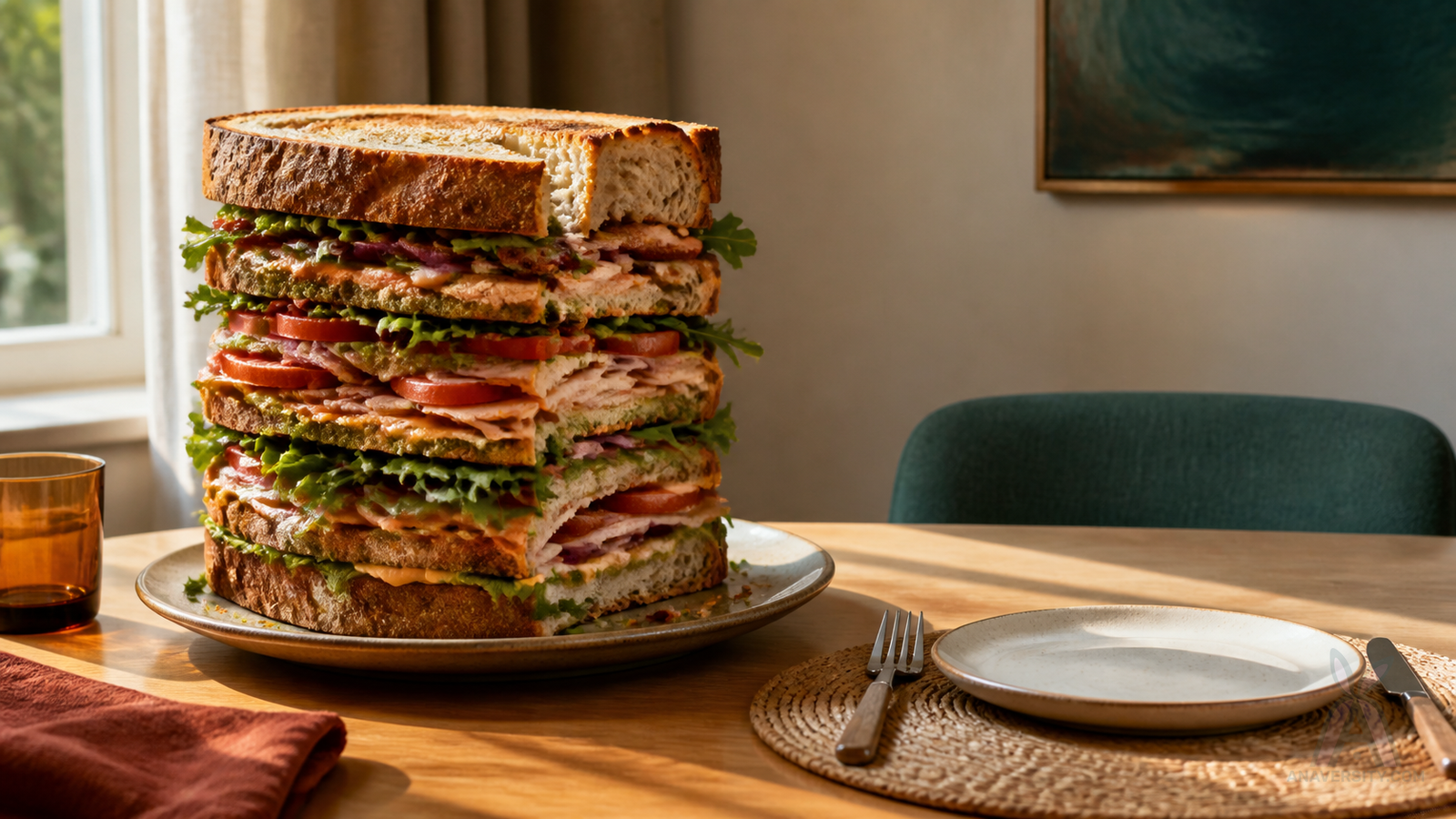
A mouthful that is too large became a crisp warning about work, promises, and responsibilities beyond our capacity.
The idiom compares an unmanageable task to taking such a large bite that chewing it becomes difficult.
The warning begins before the failure
The phrase is usually about capacity, not ambition itself. Someone accepts three projects, promises an impossible deadline, or starts a course without enough time. The bite has already been taken, but the chewing is still ahead. That sequence makes the idiom especially good for a warning before the consequences arrive.
A nineteenth-century American expression
Written evidence places the familiar wording in American English during the later nineteenth century. Similar warnings against taking on too much are far older, but this particular mouthful metaphor is comparatively recent. Its rhythm also helped it survive: bite off names the commitment, while chew names the slower work required to finish it.
Plug tobacco may be part of the picture
Some accounts connect the phrase to plug tobacco, sold in compact blocks from which a user could bite or cut a portion to chew. Taking too large a piece would make the problem literal. The setting is plausible and appears in etymological discussions, but cautious sources do not treat it as completely proved.
Food already explains the metaphor
Even without tobacco, everyone understands a bite too large for comfortable chewing. The image maps neatly onto responsibility: agreeing is quick, while completing the work takes time and repeated effort. English often turns physical limits into mental ones, which is why the expression remains understandable after the original social setting has faded.
How to use it without insulting someone
The idiom can sound supportive or critical. I may have bitten off more than I can chew is a frank admission. You have bitten off more than you can chew can sound judgmental, so a softer warning is Make sure you are not taking on too much. The best use notices limits before confidence becomes embarrassment.
Keep going
Turn this story into practicePost your own sentence with a phrase from the story, ask what sounds natural, or share what surprised you.Post in Campus FeedRelated stories

Phrase Origin
Why do we say "bite the bullet"?
A phrase for the hard thing you stop postponing because it has to be done. The idiom is not just "be brave." It is about accepting a necessary unpleasant moment and...
Read story
Phrase Origin
Why do we say "the last straw"?
A tiny final burden that makes an already overloaded situation collapse. The last straw matters because of everything that came before it.
Read storyOpen the dictionary entry for definitions, examples, and learner-friendly usage notes.
Look up biteComments
Join the conversation
Logged-in learners can comment on stories, explainers, and reply to others.
No comments yet. Be the first to start the discussion!